
Translating The Death of Nature
The story of how I brought Carolyn Merchant's The Death of Nature to a Portuguese audience.
James Carvalho Powell
4 min read
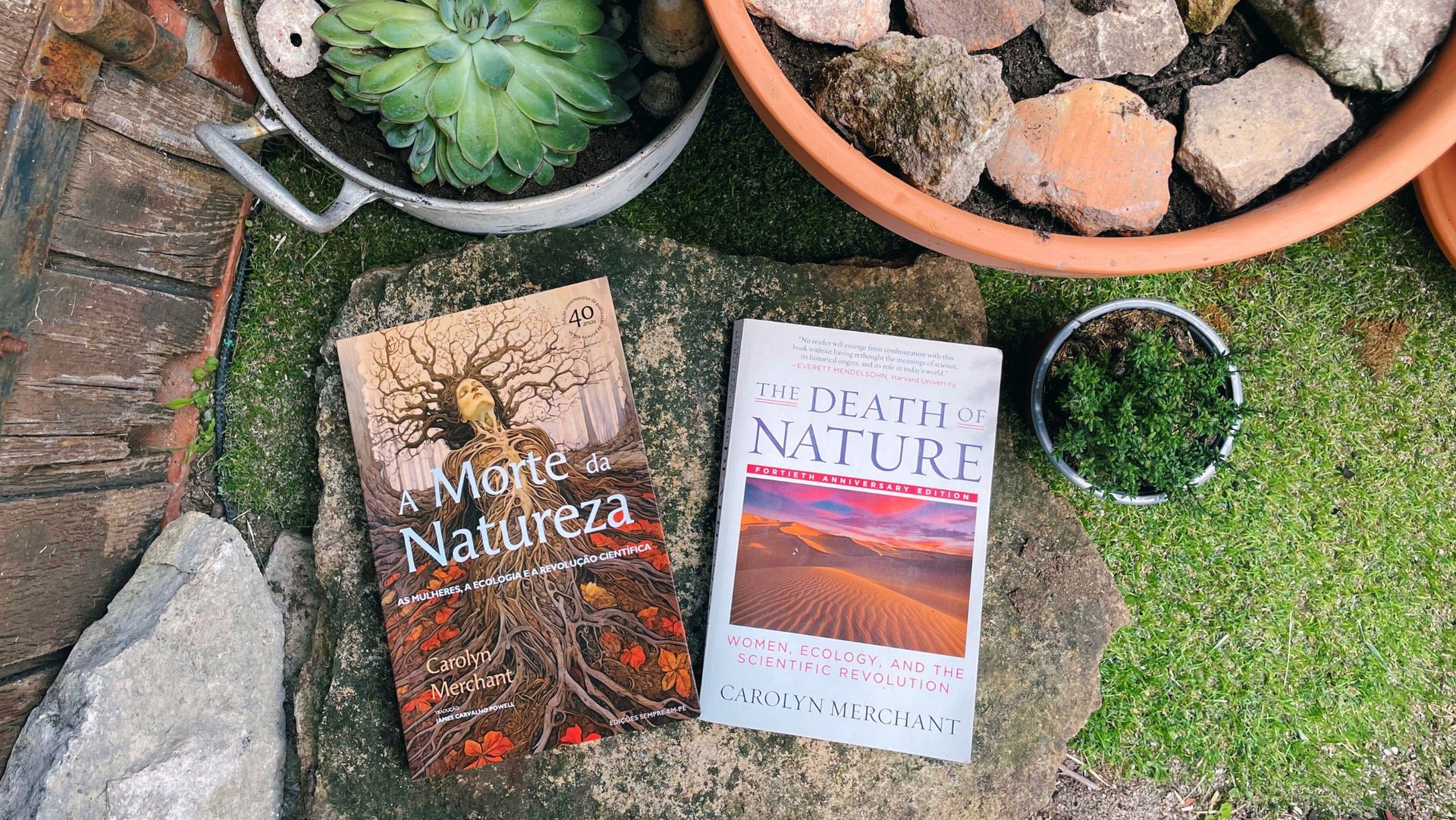
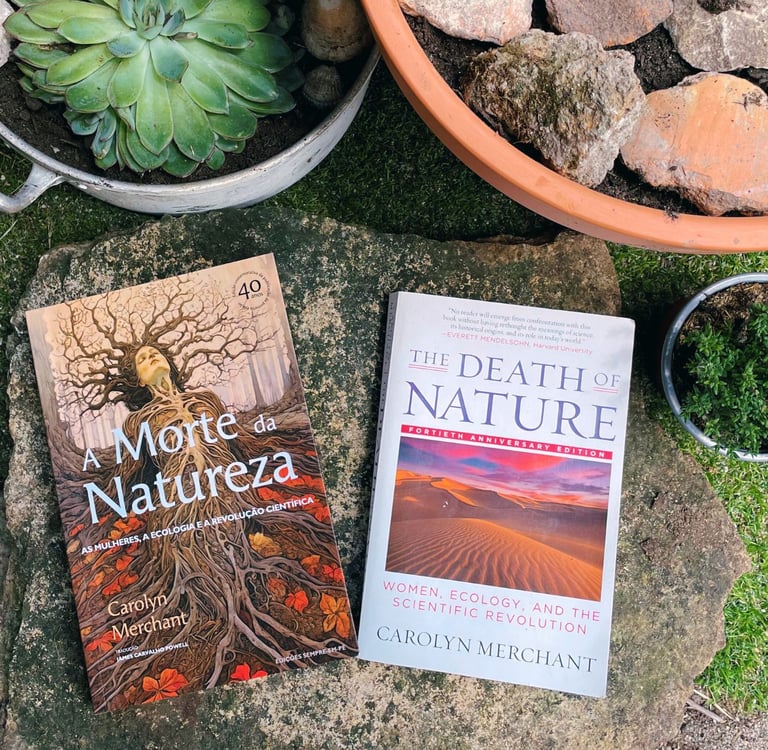
I’d like to begin by asking you to imagine being a translator with a fervent passion for philosophy, history, and the natural world. Now envisage being commissioned to translate one of the most prominent literary academic works of the 20th century, not in just one of those fields, but astonishingly, all three.
That's precisely what happened in June 2020, when revered historian, writer, and ecofeminist philosopher Carolyn Merchant personally requested that I translate her magnum opus, The Death of Nature, into Portuguese. I was not only honoured to receive such a request, but logically the subject matter was also the holy grail of all translation projects for someone such as myself.
First published in 1980, The Death of Nature quickly became hugely influential and contributed greatly to the development of ecofeminism in the United States and eventually worldwide. Carolyn Merchant´s talent for making academic subject matter accessible, linguistically speaking, has been widely recognised by critics and peers alike, surely leading to her work's meteoric commercial success.
Given the visibility of the original book, there was an immense intrinsic responsibility attached to the job. Beyond the usual challenges of diligently researching terminology (in this case in various fields, such as historical references, scientific study, etc.) and attempting to faithfully replicate the author's writing style, I was also tasked with finding a publisher in Portugal for the translation, once completed.
Feeling galvanised by the great challenge ahead, I began the fascinating yet painstaking task of bringing what is, by all accounts, an incredibly influential work to an entirely new audience. To say that the job was engrossing would be somewhat of an understatement. For the next eleven months, my life truly revolved around the linguistic and conceptual aspects of the book, naturally elevating my skills as a translator. However, perhaps more interestingly and surprisingly, I found that I changed as a human being as I made my way through the project. A testament to the power of words and human thought, no doubt, and specifically to Carolyn Merchant's work. Her dissection of philosophy through the ages, and particularly the shift from animistic traditions and the veneration of nature, to a purely mechanistic modern world view, particularly resonated with me and solidified latent ideas of my own.
"A identidade ancestral da natureza enquanto mãe alimentadora une a história da mulher com a história do ambiente e a mudança ecológica. A Terra fêmea era um elemento central na cosmologia orgânica que foi minada pela Revolução Científica e pela ascensão de uma cultura orientada para os mercados comerciais nos primórdios da Europa moderna. O movimento ecológico reavivou o interesse nos valores e conceitos associados historicamente com o mundo orgânico pré-moderno. O modelo ecológico e a respectiva ética possibilitam uma interpretação nova e crítica da emergência da ciência moderna, no período crucial em que o nosso cosmos deixou de ser visto como um organismo e passou a ser visto antes como uma máquina."
Merchant, C. (2024). A morte da natureza: As mulheres, a ecologia e a revolução científica (J. C. Powell, Trad.). Edições Sempre-em-Pé. (Original publicado em 1980)
"The ancient identity of nature as a nurturing mother links women's history with the history of the environment and ecological change. The female earth was central to the organic cosmology that was undermined by the Scientific Revolution and the rise of a market-oriented culture in early modern Europe. The ecology movement has reawakened interest in the values and concepts associated historically with the premodern organic world. The ecological model and its associated ethics make possible a fresh and critical interpretation of the rise of modern science in the crucial period when our cosmos ceased to be viewed as an organism and became instead a machine."
Merchant, C. (1980). The death of nature: Women, ecology, and the scientific revolution. San Francisco: Harper & Row.
A short excerpt from The Death of Nature in English and my Portuguese translation:
Once the translation was complete, I had to undertake what was undoubtedly the most daunting part of my duties - finding a publisher. I had never worked as a literary agent before, and rather naturally wasn't totally confident I would be able to find a solution. I was, regardless, going to do my utmost to secure a deal, which was not without its difficulties. In a world where style often trumps substance, the obstacle of perceived commercial viability seemed to be a real stumbling block. Nevertheless, through a never-say-die attitude, eventually I found José Marques and Sempre Em Pé Edições, an independent Portuguese publisher of unwavering integrity, whose sole mission is to bring works of substance to Portuguese readers.
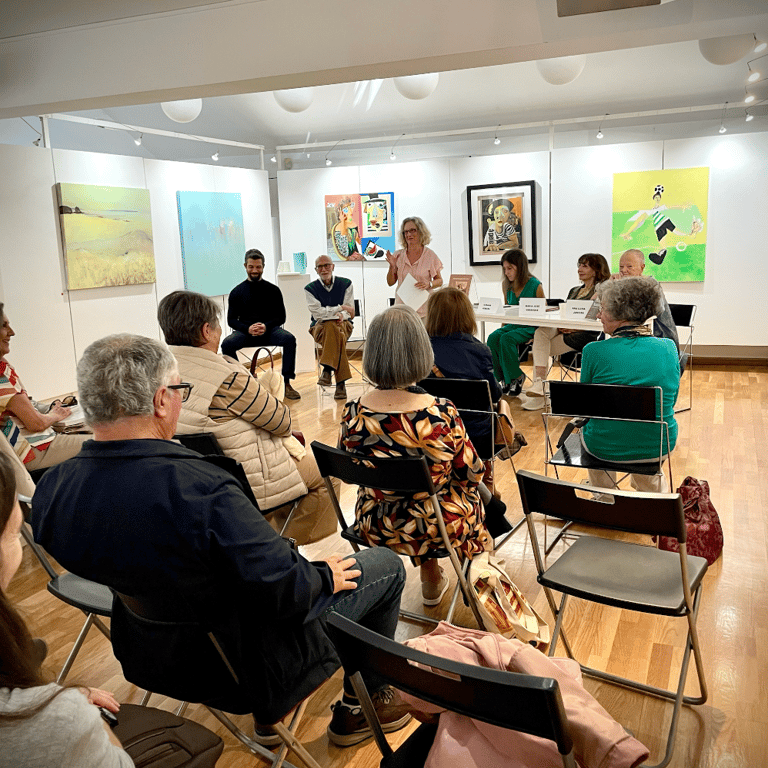
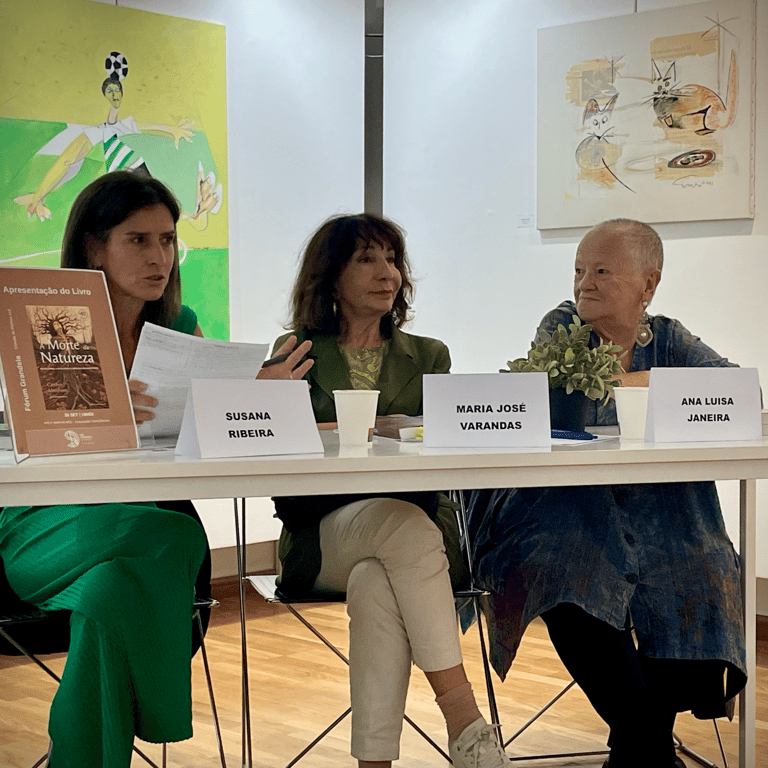
After some unsurprising delays due to the global pandemic, the book was finally published in June 2024. Highly successful launch events in Porto and Lisbon followed, with acclaimed Portuguese academics speaking and hosting enthusiastic debates. (I was in attendance for the launch in Lisbon - pictured below). The book has gone on to do well commercially, despite the initial difficulty in securing a publishing contract, and there has been tremendous praise from the local press, with Jornal de Letras - the foremost academic publication in the country - listing my translation of The Death of Nature as a candidate for Literary Event of the Year 2024.
I believe my personal journey in literary translation to be a fine example of how dedication to one´s field can provide transformative opportunities and experiences. Rather than afflictions to be avoided, challenges and adversity are privileges to be embraced. If you're looking for a translator who approaches literary work with dedication and reverence, I’d be honored to help bring your work to new audiences. Contact me at info@craftmycontent.pt.
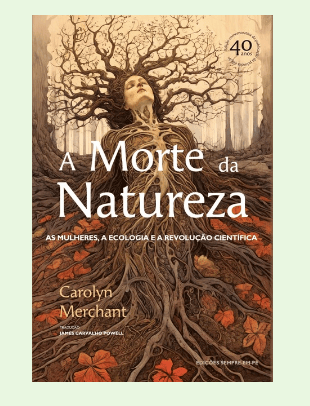
Order your copy of A Morte da Natureza here.
Connect
Crafting content that drives results for businesses.
info@craftmycontent.pt
© 2025. All rights reserved.